


I had treated Manchester City’s 115 financial breaches as an academic exercise. As in math, the equation must be balanced, and City’s punishments must be commensurate with their crimes, which, according to the Premier League’s statement last month, amounts to ten years of corporate fraud. The word ‘sham’ appears five times in the statement. But I dispensed with all rationality at the 62nd minute of the Liverpool-Man City match last weekend.
In a competitive 0-0 game, Liverpool midfielder Ryan Gravenberch received a second yellow and was ejected from the game. City went on to win 3-0. Make that the sixth sham, as everything about the match was farcical.
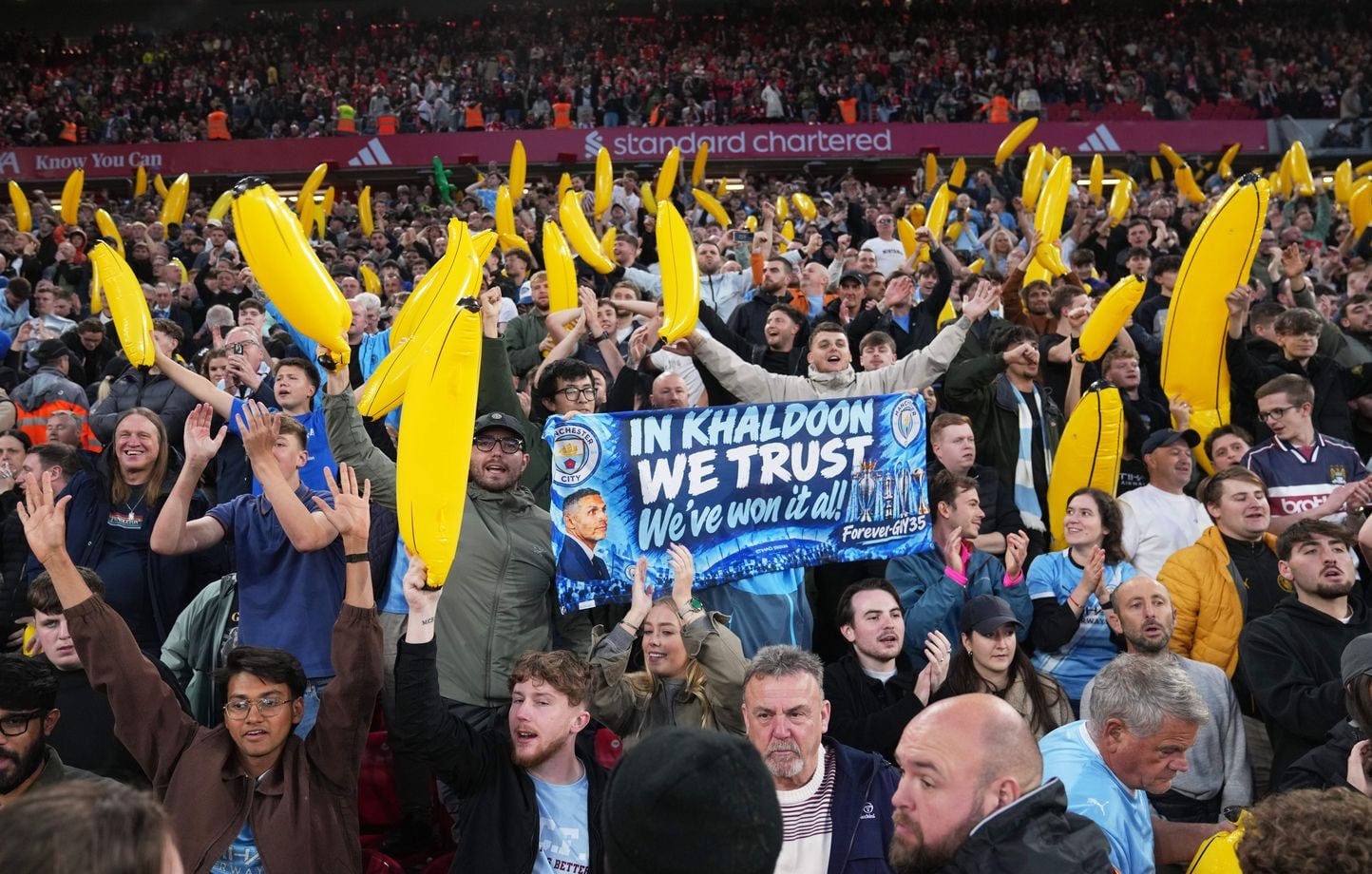
Liverpool fans harangued City all afternoon. City supporters waved inflatable bananas in some ironic protest, as if they are the aggrieved party. Man City of today, a veritable super team, is built on its fraudulent success of yesterday. Punishment looms, pending appeal, and the narrative of the game was couched entirely in the context of City’s cheating. And after the game, there was Man City, atop the Premier League table again. Man City won four league titles, as well as many cup trophies, in an era in which they had inflated their revenues, exceeded spending limits, and covered it up. They then refused to cooperate with the ensuing investigation.
“City is disgusting. Shouldn’t even be allowed to compete.”
“Everything about that club is fraudulent.”
“Hope you’re happy cheering for the biggest frauds in sports history.”
“You love state-backed terrorism.”
These are some texts I sent to the City fans in my life as City built its lead against Liverpool. I thought conceptually and now believe fervently that Man City deserve nothing short of the proverbial death penalty. It’s a position brilliantly staked out by pundit Alfie Potts Harmer. But that sort of speculation is for the sports radio caller.
The real consideration is from where the Man City affair came and what in life it reflects. In this regard, Man City’s is, inarguably, the most impactful case of cheating in sports history. Arguably, it belongs on the list of most infamous cases of corporate fraud. Four reasons below articulate why.
Resistance to justice reflects the illiberal political moment
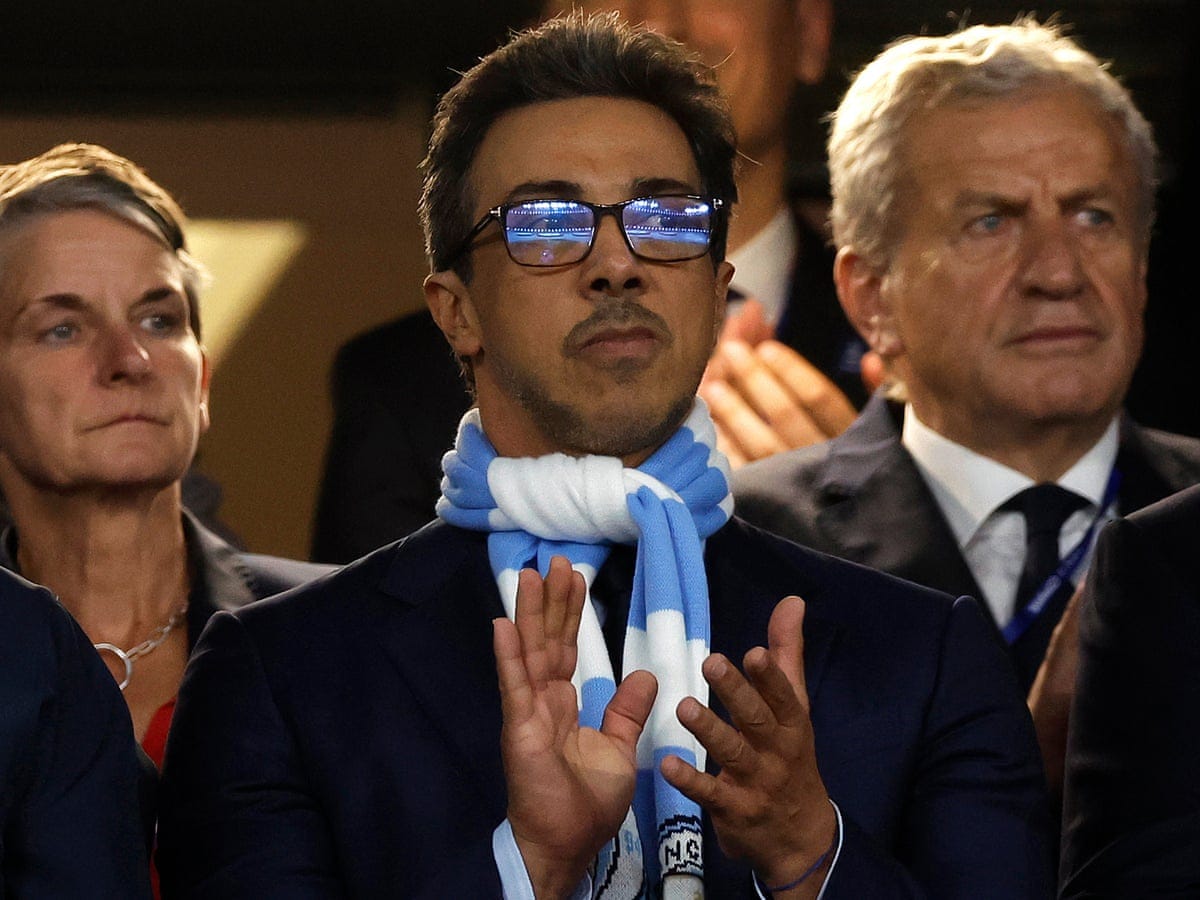
It was reported that, early in the Premier League’s investigation, Man City was negotiating a settlement, which is surprising considering how publicly intransigent the club has been. They are innocent, they insist, and believe they will be exonerated, and they have all but accused the Premier League of leading a conspiracy against them.
“Manchester City FC will now pursue the appeal avenues open to it, on the basis that the opinion contains clear material errors, of law, principle and fact, and is unsafe,” the club’s said in its response to the guilty verdict. “The Club has diligently respected due process for eight years on the basis that the Premier League Board and Executive would behave as an independent, impartial and fair-minded regulator, free from partisan influence.”
Translation: We are going to go scorched earth on your ass.
This resistance to justice reflects the creeping illiberalism around the world, best typified by MAGA. Donald Trump has warded off civil lawsuits and criminal charges all his life, and as president of the United States he has imbued that ethos into a political movement. He regularly pardons wealthy, white-collar criminals, openly defies laws he is charged with executing, and wields that law arbitrarily. The people who pound their chest about law and order are those most disdainful of it.
These traits are embedded in the UK’s Reform party and France’s far-right movement, for example, as well as in the world’s monarchal, theocratic, and dictatorial countries. Sheikh Mansour, Man City’s owner, is an heir to the United Arab Emirates’ ruling family. UAE, of course, treats human rights and liberties as one does a mosquito—swatted away, at best, and violently eliminated, at worst. It’s almost too on-the-nose that a UAE official recently bought a major stake in a Trump-backed crypto company.
If Man City were a country, then it is operates with the same sense of entitlement, the same aura of impunity. The club isn’t shocked that it had broken rules. It isn’t shocked that it had been caught. Man City is shocked that they are being held accountable for their actions. That is not how it works in the world of strongmen. They close ranks around each other and use their power to maintain that power.
Once Mansour bought the club in 2008 and operationalized the fraud, Manchester City stopped being purely a football club. It became a vehicle for the illiberal aims of UAE’s ruling family, just as the Republican Party stateside became a vehicle for Trump’s personal interests. Justice is merely a speed bump for those vehicles.
State ownership in sports is a metastatic cancer
Man City are not alone in being owned effectively by a sovereign nation. Newcastle, backed by the Saudis, are the wealthiest club on earth, and the Qataris have turned Paris Saint-Germain into not only one of the best football teams in the world but also into a luxury lifestyle brand. Not being exceptional does not make Man City innocent.
Man City are able to and have reached their tentacles into public institutions and choked off sources of justice. Their defiant statement tattles on themselves. Only someone who will use every political lever to advance their aims will call on their opponent to forgo partisanship.
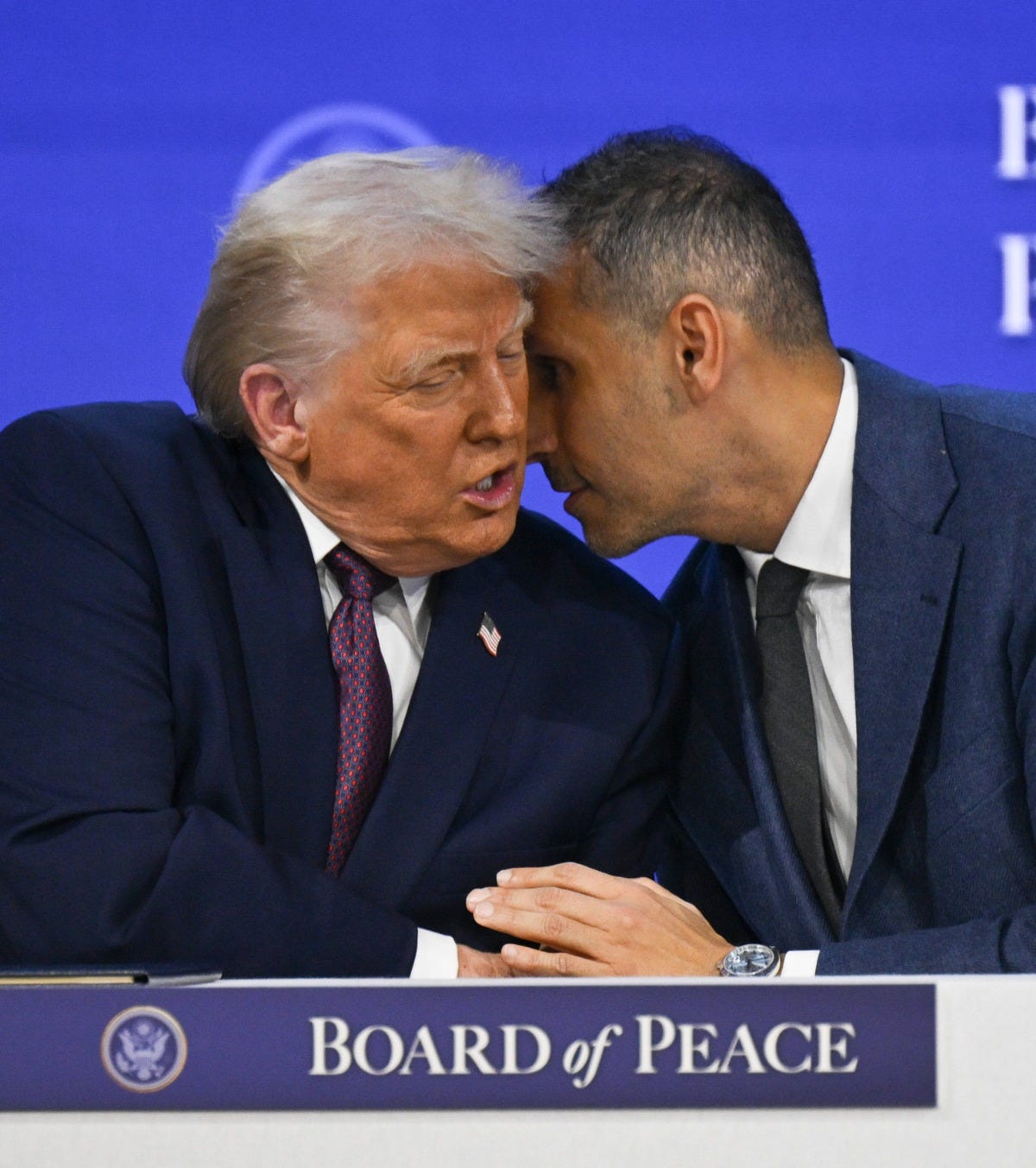
It’s especially rich coming from a club whose chairman, Mansour proxy Khaldoon Al Mubarek, serves on Donald Trump’s Board of Peace. The board was convened last year, and the membership fee is $1 billion annually. The board has accomplished nothing. On the other end of the political spectrum, newly minted UK prime minister Andy Burnham defended Man City’s investments in the community—Burnham had led Manchester as mayor—and his ties to the club have since been a source of controversy.
These muddied political waters have prompted the chairman of England’s football regulatory body to threaten to resign should he come under undue political pressure over the Man City investigation. There is also speculation that UAE could economically and diplomatically retaliate against the UK should Man City’s punishment be too severe. It is insane that such considerations are associated with a sports team breaking rules.
To be clear, state ownership should be considered much differently than other forms of public ownership, be it members-owned or municipally-owned teams. Those models better align the club’s interests with those of its supporters. Additionally, any nefarious political machinations would have a more limited impact and could theoretically be quelled by higher levels of government. This is to say that there are more forms of accountability, something literally and proverbially foreign to state ownership.
A pillar of culture is being undermined
“We will take necessary action to protect the club and seek competition from any party, now and in the future.”
So said Ferran Soriano, Manchester City’s CEO, in a statement. Aside from making me want to tell him to blink twice if he needs help, the recording makes clear City cares not at all about the collateral damage of its ruthless defense.
In a worst case scenario, some or all of the following would happen:
Man City’s appeal is heard sometime before Christmas.
Assuming the appeal is rejected, the Premier League announces the club’s punishment.
Manchester City sues the Premier League (and/or any other entity trying to hold it to account), stringing the case into at least next season.
Clubs who financially suffered because of Manchester City’s fraudulent success sue Man City for damages. (Tottenham, for example, are estimated to have lost a cool $159 million.)
With the case in limbo, this season’s title and relegation battles become chaotic, lucrative qualification into European tournaments becomes unclear, and fan bases for other clubs become increasingly distrustful of Man City’s involvement in the Premier League.
The institutions responsible for upholding fair competition—the Premier League, the FA, etc.—lose public trust from their inability to reconcile the Man City affair.
Professional, unscripted sports is predicated on the shared belief that the competition is not fixed. Sports are where justice still reigns, which is what makes sports in the 21st century something pure and rare. A great song can renew something positive and essential in us, even if that song is distributed commercially. The same goes for sports. It’s a significant part of the social fabric, and Man City is unapologetically thrashing at it.
Values mean nothing
I believe in justice and fairness. Sue me.
Actually, Manchester City just might, per its CEO. My transgression, City’s executives would argue, is that I believe in something besides power. Values are for the non-rich and for the suckers who use them as an excuse to treat people with kindness. Values are for the people who buy tickets to attend football games and streaming subscriptions to watch them.
As imperfect as they are, we had built institutions imbued with values to maintain order, protect the vulnerable, and provide for basic necessities. But in an illiberal world order, the only institution is money. Needs, safety, status—they’re all to be bought and sold.
For Manchester City’s owner, status meant buying football trophies. That winning made a lot of people happy, City supporters especially, but in that craven act was a lack of respect. City fans were not customers to be rewarded with a better product. They were unwitting pawns in a geopolitical game of power. It seems, should City get its way, they will remain as such.