

What are the 2026 San Diego Padres? I am about to find out
Plus: thoughts on the NBA's tanking crisis

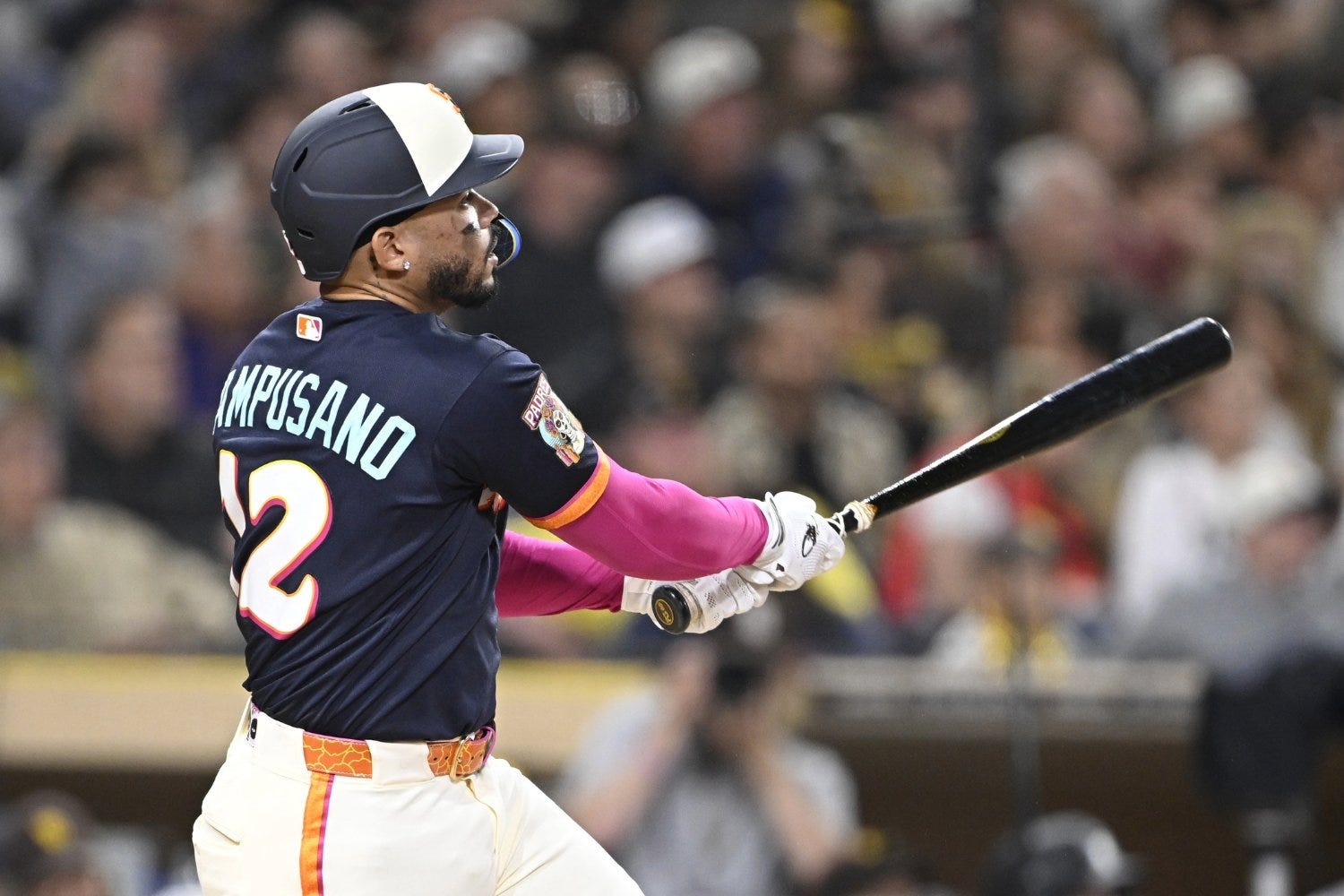
“The year is 2020. Olivia Rodrigo is working on a new album. The Trump administration is trying to figure out what to do with Iran. And San Diego Padres catcher Luis Campusano is primed for a breakout.
It seems the more things change, the more they stay the same.”
So begins my first piece for Padres Mission, a Padres news site. I started as a contributor there this week, and will have stories published at least weekly. After a completing a stint at San Diego Magazine last year, I’m excited to once again regularly contribute to an external publication, and I’m excited to get in front of more eyeballs—like, subscribe, and ring the bell over at Padres Mission.
I’m also excited to figure out the 2026 Padres. They feature eight players on mega-contracts—when maybe four are playing at that level—then a cavalcade of decent veterans, cheap young players, and cheap old players. They have assholes. They have nice guys. And if you were to tell me five years ago that one team would employ Manny Machado earning $32 million and also Nick Castellanos and Walker Buehler earning a combined $2.3 million, then I would have thought you were suffering from Covid-induced brain fog. Add to this that the Padres are about to be sold to a new ownership group for an MLB record, and everything about them this season is fascinating.
The San Diego Padres could have been ours

The family that controls the San Diego Padres announced this week that they’re exploring a sale of the team. The Seidlers and their co-investors will make billions—billions that, except for the intervention of monopolists in 1990, could have existed in the public trust in perpetuity.
Since Peter Seidler took majority control of the team in 2021, the Padres and their fans have reveled in what is undoubtedly the greatest era in team history. Though Seidler passed away after the 2023 season, this era is still his, as Seidler’s investments in Fernando Tatis, Machado, and others—and not to mention in Petco Park, arguably the best venue in baseball—are still bearing fruit.
Seidler’s fingerprints will long remain, but there will be a clear demarcation line after the Padres transfer to new owners. How will the team purchase be structured? Will it result in their stars (and their expensive contracts) being shipped out of town? Will the new owners keep making it more expensive to be a fan? Will they have terrible politics? And of course, and most importantly: Will management be dedicated to winning? Which, contrary to delusional baseball executives, is what fans care about.
This is all to say that this year’s Padres team feels pivotal. If they make a playoff run and keep pulling in revenue, then the new owners may try to keep the good times going. If the new owners show up under mountains of debt and the team misses the playoffs, then I fear a private equity-induced liquidation.
Sorry, I fear a rebuild.
There are real solutions to tanking. The NBA is considering none of them.
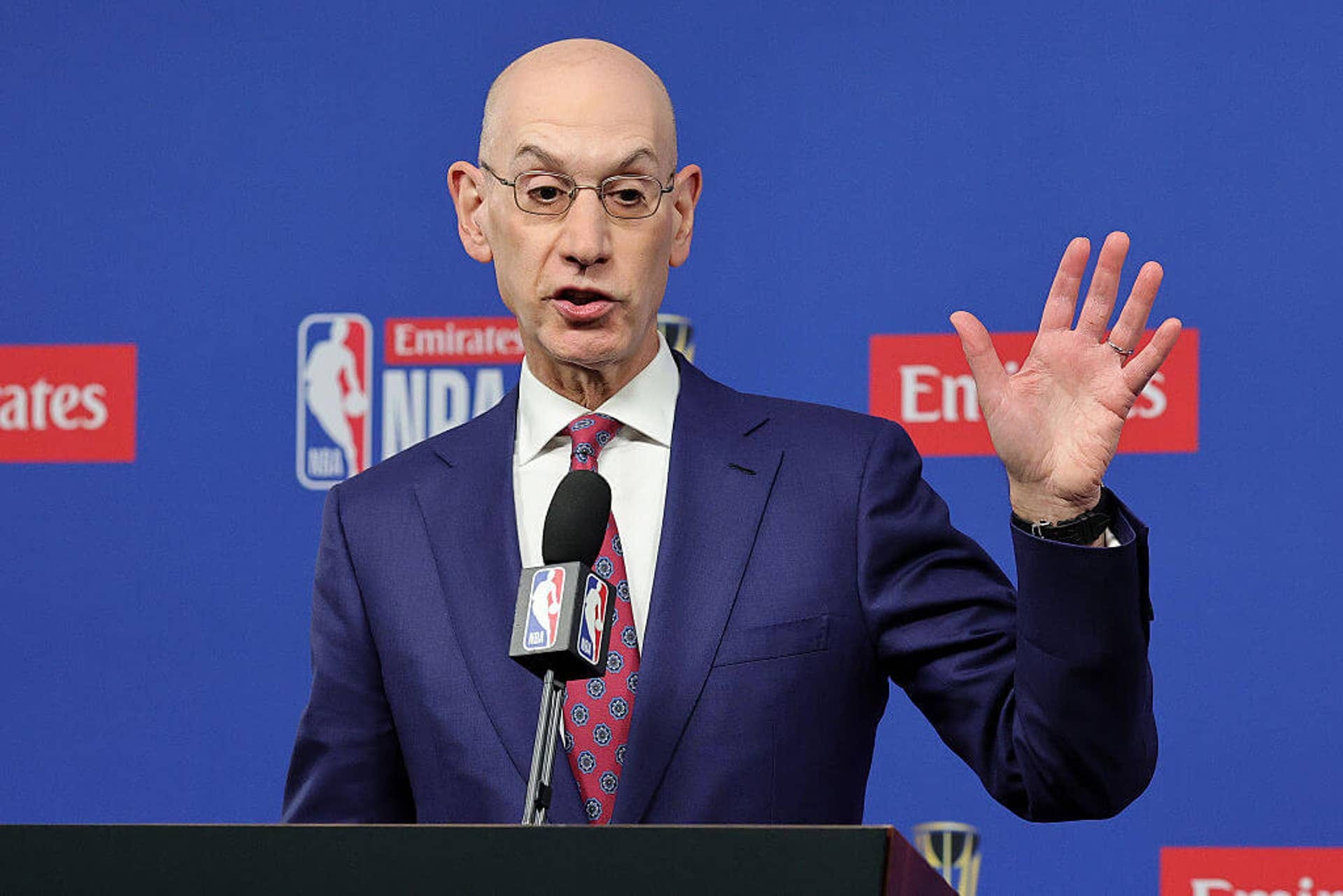
The NBA regular season mercifully ends Sunday, and basketball discourse is centered on two questions: Who will win MVP, and how the hell does the NBA address its tanking crisis?
On the surface, the standings don’t indicate a problem. There are a few bad teams, there are a few great teams, and there are a bunch of teams in the middle. Twenty of its 30 teams will make the playoffs in some fashion. Twas ever thus.
But the ways in which teams are bad (or trying to be bad) are novel, if not offensive. ESPN posted an article this week that highlighted how several teams employed players who, in another era, wouldn’t sniff a minute in the NBA. The Utah Jazz, for example, signed someone named Andersson Garcia from a team in Mexico and played him 34 minutes-per-game over a five-game stretch. Even Garcia didn’t understand it.
"I'm super grateful, but at the same time, I was really surprised," Garcia told reporters during his time with the Jazz. "I wasn't expecting to be here right now."
Another egregious case is when Sacramento Kings coach Doug Christie had his team foul one of Golden State’s best free throw shooters at the end of a recent close game to ensure the Kings lose. The NBA investigated and ultimately wrote off Christie’s decision as a mistake. Is that explanation any better? Why, then, are the Kings employing a coach who has led them to 60 losses and can’t keep track of how many fouls-to-give his team has left?

Consequently, the quality of play in the NBA is atrocious, and the race to the bottom is whittling away at the league’s integrity. Do the team owners care? Not really! With record viewership, league revenue, and team valuations, they’re exploring expanding the league to 32 teams and starting a league in Europe. As for tanking, NBA commissioner Adam Silver is tinkering with the draft odds. Cute.
In the podcast-verse, Bill Simmons has gone to war with the league over its governance, and one Reddit user went viral after they proposed a brilliant solution to tanking: tie the price of beer at a team’s arena to that team’s record. The more wins a team has, the higher they can price beer, and vice versa. Under this proposal, the Washington Wizards this season would have had to pay fans ten cents for every beer they drank. (Although, probably not. The Wizards are merely lessees in Capital One Arena.)
The true, enduring solutions to tanking must be based on a simple premise, that there are consequences for losing. This can look a lot of different ways, but professional sports has a familiar one: relegation. I’ve written extensively about it in these pages, and I feel so strongly about it that I have ‘relegation’ tattooed across my clavicles, but another solution would be abolishing the draft. Teams can’t tank for better draft position if there is no draft, and teams that don’t, you know, try wouldn’t be attractive to players.1
Of course, these solutions conflict with the interests of cartel monopoly—limiting the supply of basketball, controlling the cost of labor, and snuffing out competition to buoy the value of the product. And of course, the NBA governs itself. And of course, the law allows team owners to dodge taxes and extract subsidies from state and local governments.
Tanking in the NBA is considered a pathology, a virus allowed to proliferate. In reality, it is the apotheosis of all things American. We are not competition-loving capitalists. We are wannabe socialists afraid of losing. Unfortunately, only billionaires get to act on and protect themselves from those fears.
Shoutout to the players in the National Women’s Soccer League, who successfully negotiated the abolition of the NWSL draft.